Things to Do in Zaragoza in March
March weather, activities, events & insider tips
Shoulder Season · Good Value
March Weather in Zaragoza
Long-run averages for March
63°F (17°C)
High Temp
42°F (6°C)
Low Temp
1.1 inches (28 mm)
Rainfall
69%
Humidity
4
Rainy Days
4
Sunny-Day UV
⚠ The cierzo wind is Zaragoza's dominant March weather feature. This channeled northwesterly can gust to 100 km/h (62 mph) without warning, strong enough to make walking along the Ebro riverbank physically difficult and to knock unsecured items off cafe tables. Wind chill frequently drops the effective temperature 8-10°C (14-18°F) below the reading. Check daily wind forecasts and plan indoor activities, the Aljaferia Palace, the Mercado Central, the museums, for the worst days. The wind is driest after sustained blowing, so carry moisturizer and stay hydrated even though the air feels cold.
Is March Right for You?
Weigh the advantages and considerations before booking
Advantages
- + The drums roll through narrow streets around the Basilica del Pilar. That sound rewires your sense of what a city becomes when an entire population commits to shared ritual. It is memorable.
- + March's cool, dry air and average highs around 17°C (63°F) make this the ideal walking city. The Casco Viejo, the Roman route along the old walls, the Ebro riverbank promenade: all punish you in July's 32°C (90°F) heat. Now they are well comfortable. Crisp mornings keep you moving. Warm midday sun lets you sit on plaza benches and watch the city work.
- + Outside Semana Santa week, early and mid-March sit in genuine shoulder season. Now they are likely available with a week's notice. Lines at the Aljaferia Palace rarely extend past the courtyard entrance. Tapas bars of El Tubo have empty stools at prime evening hours. This almost never happens in summer.
- + Spring ingredients arrive at the Mercado Central by early March. Fresh calçots, the long green onions you char over vine cuttings and eat with romesco sauce, appear first. Tender borrajas follow, borage cooked in olive oil and garlic until stems go silky. First artichokes come from the Ebro valley. Ternasco, young lamb and Aragon's most protected denomination of origin, is at its best now. It is roasted simply with potatoes. Portions assume you skipped lunch.
Considerations
- − The cierzo defines Zaragoza weather in March. Nobody warns you properly. This northwesterly wind channels down the Ebro valley like air through a funnel. Gusts hit 80-100 km/h (50-62 mph) on bad days. Wind chill drops well below thermometer readings. It is dry and relentless. It finds every gap in your jacket. Locals say: 'El cierzo te vuelve loco.' It makes you crazy. They are only half joking.
- − Semana Santa week, roughly March 21-28 in 2027, flips Zaragoza's shoulder-season calm into peak demand. Accommodation in the Casco Viejo and near the Basilica del Pilar books out weeks ahead. Room rates climb noticeably above March's usual moderate pricing. Arrive without reservation during Holy Week and you may stay well outside the old center. Plan ahead.
- − Evenings stay cold. The average low of 6°C (42°F) rules out terrace dining after dark. That is the whole point of eating out in Spain from May onward. Most restaurant terraces remain closed. Only the bravest locals sit outside with blankets over their knees. You will eat indoors. This is fine. It strips away one of the great pleasures of Spanish evening life.
Best Activities in March
Top things to do during your visit
March settles over Zaragoza like a deep breath between seasons. The cierzo, that sharp northwest wind funneled down the Ebro Valley, still cuts through the old town's narrow callejones in the mornings. By midday the sun warms the sandstone facades of Plaza del Pilar to a honeyish glow. Daytime temperatures climb to around 17°C, cool enough for a lined jacket at breakfast. Yet it is mild enough to linger on a café terrace by noon. Rainfall stays modest, roughly an inch for the entire month. The city's broad plazas and riverfront paseos stay walkable nearly every day. Compared with the bone-dry furnace of a Zaragoza July or the grey dampness of December, March strikes a temperate balance. It rewards anyone willing to layer up. Zaragoza in this shoulder month belongs more to its residents than to tour groups. University students crowd the pintxos bars along Calle Estébanes after lectures. They fill the stone corridors with laughter and the clatter of small plates on zinc countertops. Older regulars stake out their usual tables in the Tubo quarter. The smell of seared gambas and dry sherry escapes through open doorways well before the lunch hour officially begins. The Mercado Central hums with seasonal rhythm: fat stalks of white asparagus from Navarra, early artichokes from the Ebro lowlands, and wheels of Tronchón cheese stacked in paper-lined crates. There is a palpable shift in energy as the city shakes off winter. Tables appear on sidewalks overnight. Shopkeepers prop their doors open for the first time since autumn. For anyone weighing how many days to spend here, two full days let you cover the major architectural landmarks, the Roman route along the forum ruins, and a serious tapas crawl through El Tubo. A third day opens up excursions into the surrounding Aragonese landscape, from painted desert badlands to foothill wine country, both reachable in under two hours. Hotels in the old town remain well below peak-season rates. Restaurants that require reservations in summer seat walk-ins without fuss. Zaragoza rewards the visitor who shows up before the crowds discover it in May.

Wine Tasting and Tapas in the ancient Town of Zaragoza
foodThe old town's wine bars sit in repurposed medieval cellars. The air carries a permanent mineral coolness. The walls sweat faintly with centuries of stored humidity. This guided tasting walks you through a curated sequence of Aragonese wines, from the inky, black-fruit Garnachas of Campo de Borja to crisp, high-altitude whites grown in the Somontano foothills. Each glass is paired with tapas drawn from the market that morning: thin-sliced jamón with a silky, almost sweet fat cap, charred piquillo peppers stuffed with salt cod, and croquetas so freshly fried they crackle audibly when you break the crust. Your guide contextualises each pairing with the winemaking traditions of the Ebro basin. The pace is unhurried enough that you taste the tannin shift between the first and fourth pour.
Aragonese wine country produces some of Spain's most compelling Garnachas. Tasting them in the cellars where they were historically stored connects flavour to place in a way no restaurant menu replicates.
Insider tip: Eat lightly beforehand but do not skip breakfast entirely. The tapas portions are generous but the wines hit harder on an empty stomach. You will want to keep your palate sharp through the final reserva pour.

Guided tour of the Bardenas Reales de Navarra by 4x4
adventureAbout ninety minutes northwest of Zaragoza, the Bardenas Reales opens up like a landscape borrowed from the American Southwest and dropped into the Ebro Depression. Wind-carved clay pillars called cabezos rise from the parched basin floor in shades of ochre, rust, and chalk white. Their surfaces are grooved by millennia of erosion into shapes that look almost architectural. From the open roof hatch of a 4x4, the silence is startling. It is broken only by the creak of the vehicle on packed earth and the distant call of a Montagu's harrier circling above the steppe. Your guide navigates tracks that are off-limits to private cars, stopping at the Castildetierra pinnacle, the Pisquerra cliffs, and the flat expanses where the semi-desert meets irrigated farmland with jarring abruptness.
This UNESCO Biosphere Reserve is one of Europe's few semi-desert landscapes. The 4x4 access reaches formations you cannot see from the public road network.
Insider tip: Bring a windproof layer even on a sunny day. The Bardenas sits on an exposed plateau. The wind across the flats is persistent and cold enough to cut through a fleece in March.
This month: March temperatures in the Bardenas hover in the low teens, making long walks between formations comfortable rather than the punishing heat of July and August. The clay trails are also firmer with the slight winter moisture.

Private custom tour with a local guide Zaragoza
guided_experienceA private guide reshapes the city around your specific interests. You might trace the Roman colony of Caesaraugusta through its excavated theatre and forum beneath modern streets. You could decode the Mudéjar brickwork on the Aljafería Palace's exterior where geometric patterns catch the low March sunlight in sharp relief. Or you might navigate the Tubo quarter's tapas bars in sequence from traditional to avant-garde. The pace is yours: linger at the baroque excess of the Basílica del Pilar, where incense hangs in the nave and the dome frescoes by Goya peer down from a startling height. Skip ahead to a neighbourhood your guide knows from growing up here. What distinguishes this from a scripted walk is the improvisation. The willingness to detour into a courtyard because the jasmine is blooming early this year. Or duck into a shop because the owner just pulled fresh trenza de Almudévar from the oven.
Zaragoza's layers, Roman, Islamic, Jewish, Baroque, are so tightly stacked that a local who knows the seams between them reveals connections no guidebook maps.
Insider tip: Tell your guide your dining preferences at the start. They can call ahead to a restaurant that does not take online reservations and secure a table you would otherwise miss.

Zaragoza Private Walking Tour with a Local
walking_tourThis walking route threads the spine of the old city on foot, from the Moorish-era Aljafería, where horseshoe arches frame gardens still cool and damp with morning dew, through the Roman walls and into the medieval Jewish quarter where narrow streets trap the echo of your own footsteps. Your guide draws attention to details that vanish at walking speed without narration: the Hebrew inscription fragment embedded in a church wall on Calle del Coso, the difference between Mudéjar brick laid by Muslim craftsmen and the later Christian imitations that subtly break the pattern, the worn stone threshold of a doorway that has been in continuous use since the eleventh century. The route ends in Plaza del Pilar. The vast open space and the twin-towered basilica hit with full force after an hour spent in tight alleys.
Walking Zaragoza at street level, with someone who reads its architecture like a text, turns a handsome city into a legible one.
Insider tip: Wear shoes with good grip. Some of the old-quarter streets are cobbled with river stone that gets slick when the morning dew has not yet burned off.

Midday Market Tour and Spanish Cooking Class
foodThe morning begins at the Mercado Central, a cast-iron and glass hall where vendors call out to regulars. The air is layered: raw fish on ice at the fishmonger's stall, roasted peppers and cured meats from the charcutería, the green vegetal scent of just-cut herbs piled in newspaper wraps. Your guide helps you select the ingredients you will cook. Bargaining is not expected here but conversation is. Every vendor has an opinion on the best way to prepare what they sell. Back in a teaching kitchen in the old town, you work through a hands-on class that typically includes a tortilla española cooked low and slow until the egg barely sets, a regional dish built around seasonal produce, and a dessert tied to Aragonese tradition. You eat what you cook, seated together, with local wine poured alongside.
Cooking with market ingredients closes the gap between eating well in Zaragoza and understanding why the food tastes the way it does.
Insider tip: Ask the guide to include a stop at the olive oil vendors in the market. Aragonese Empeltre olive oil has a distinctive sweet almond finish. A small bottle makes a better souvenir than anything in a gift shop.

Full-day Somontano Wine Excursion and Visit Alquezar
day_tripAn hour and a half north of Zaragoza, the Somontano wine region occupies a transitional landscape where the dry Ebro plain buckles upward into the Pyrenean foothills. The vineyards terrace along south-facing slopes where the soil shifts from clay to limestone within a single row. The excursion visits working bodegas where you taste directly from barrel and bottle. Somontano's Gewürztraminer and Moristel varietals carry a floral, almost resinous intensity that surprises anyone expecting another Rioja. The day's second act is Alquézar, a medieval village draped over a canyon rim above the Río Vero. The sound of falling water rises from the gorge below. The sandstone houses glow amber in the afternoon light. The Sierra de Guara cliffs frame the village on every side. The paths along the canyon edge offer views that deepen with each turn.
Somontano is one of Spain's most compelling emerging wine regions. Pairing its bodegas with the canyon village of Alquézar makes a day trip that rivals any excursion from Barcelona or Madrid.
Insider tip: Wear comfortable walking shoes for Alquézar. The village is built on a steep slope. The path down to the canyon overlook involves uneven stone steps that test slippery soles.
This month: The Somontano vines are still dormant in March, their gnarled trunks stark against the red soil. But the bodegas are fully operational. The cooler air in the canyon at Alquézar makes the walk along the gorge rim pleasant rather than the sweat-soaked affair it becomes in summer.
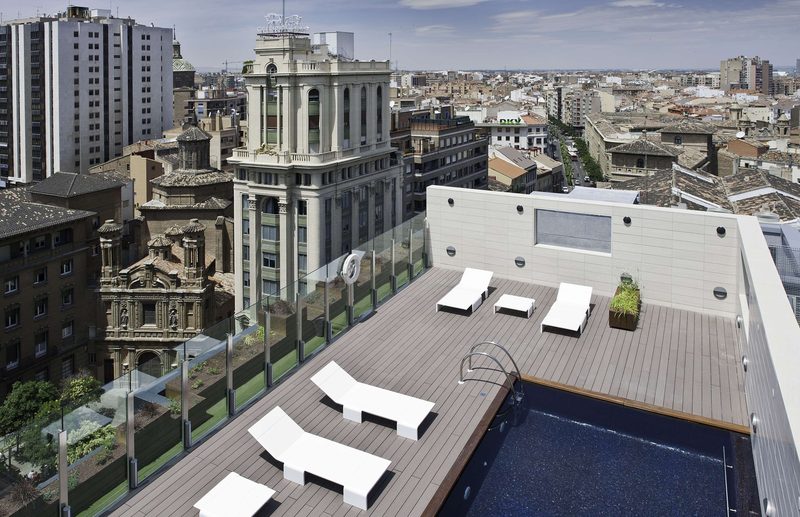
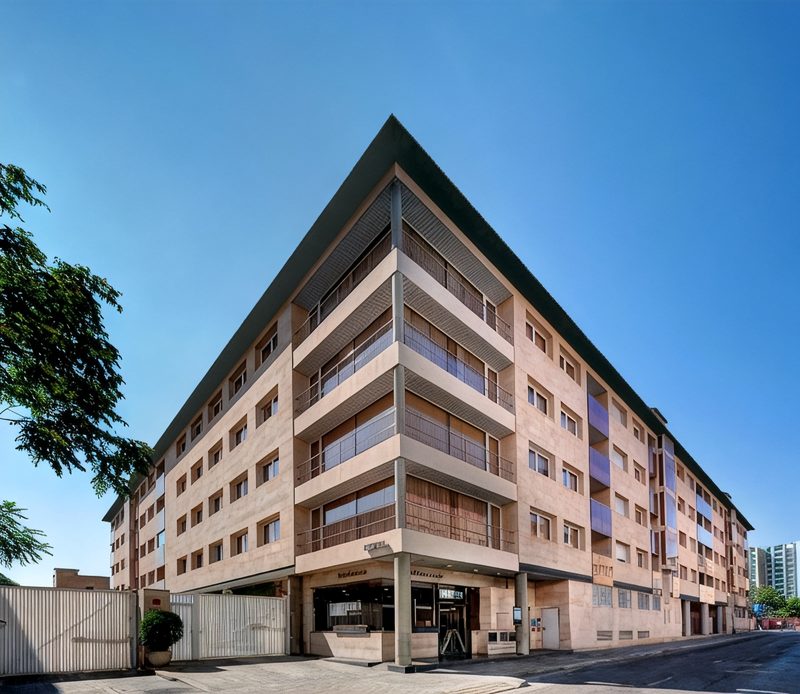
Where to Stay in Zaragoza in March
Hand-picked hotels across price tiers for March travellers.
Public Holidays in March
Dates that affect opening hours, transport and crowds
Dia de les Illes Balears
Known in English as Day of the Balearic Islands. A public holiday in these regions only: ES-IB.
Jueves Santo
Known in English as Maundy Thursday. A public holiday in these regions only: ES-AN, ES-AR, ES-CL, ES-CM, ES-CN, ES-EX, ES-GA, ES-IB, ES-RI, ES-MD, ES-MC, ES-NC, ES-AS, ES-PV, ES-CB.
Viernes Santo
Known in English as Good Friday. Observed nationwide as a public holiday.
Lunes de Pascua
Known in English as Easter Monday. A public holiday in these regions only: ES-CT, ES-IB, ES-RI, ES-NC, ES-PV, ES-VC.
Dia de les Illes Balears
Known in English as Day of the Balearic Islands. A public holiday in these regions only: ES-IB.
Packing Checklist
Bookmark this page — your progress is saved between visits
Need the full list with shopping links?
Climate-specific gear, brand recommendations, and what to leave at home.
View Zaragoza Packing List →Essential Tips
Insider knowledge and common pitfalls to avoid
Insider Knowledge
The cierzo has an upside that nobody mentions in guidebooks: it scours the sky clean. After a day of hard wind, Zaragoza gets a crystalline clarity of light that makes the Basilica del Pilar look like it was carved from gold rather than stone. Photographers should watch the forecast for post-cierzo mornings, from the north bank of the Ebro at the Puente de Piedra. The air has a sharpness on those mornings, cold and mineral-scented from the river, that is Zaragoza at its most photogenic.
Spaniards in Zaragoza eat late, even by Spanish standards. Lunch rarely begins before 2 PM and dinner before 9:30 PM is considered early. If you walk into a restaurant at 7 PM expecting to eat, you will find the kitchen closed and the staff looking at you with polite confusion. The tapas bars of El Tubo start filling around 8:30 PM on weekdays and closer to 9 PM on weekends. Adjust or go hungry, there is no middle ground.
Cincomarzada on March 5 is a local holiday that most travel resources skip entirely. The Parque Jose Antonio Labordeta fills with Zaragozanos having picnics, and joining them is the fastest way to experience the city as something other than a tourist. Bring food from the Mercado Central that morning: a wedge of tortilla, some Tronchon cheese, a bag of olives, and a bottle of Garnacha from Campo de Borja. Sit on the grass and eat. Nobody will think it strange that you are there.
The cofradias that process on these quieter days pass close enough that you can hear the creak of the pasos' wooden bearers and smell the candle wax dripping onto the street. You get the full emotional weight of the tradition without spending an hour fighting for a sightline on the Calle Alfonso I.
Avoid These Mistakes
Treat Zaragoza as a day trip between Madrid and Barcelona. The AVE high-speed train makes it temptingly easy to stop for six hours, see the Basilica, eat a rushed lunch, and leave. You will see the surface and nothing else. Zaragoza needs at least two full days, three if Semana Santa is running, to reach the layers beneath the landmarks: the Mudéjar backstreets, the rhythm of an El Tubo tapas evening, the stillness of the Aljaferia's courtyards when the tour groups have gone.
Underestimate the cierzo and dress for the thermometer instead of the wind chill. A sunny day reading 17°C (63°F) can feel like 8°C (46°F) when the wind is gusting down the Ebro. Tourists in light jackets clutching their scarves on the Puente de Piedra while locals walk past in proper coats is a daily March tableau. Check the wind forecast, not just the temperature, before planning outdoor time.
Order a single large meal in a restaurant instead of moving through El Tubo's tapas bars. The Spanish model of eating small plates standing at a counter, one or two items per bar, then moving on, is not just a cultural nicety in Zaragoza. It is how the food is designed to be eaten. A single tapa paired with its correct wine, consumed while leaning against a bar where the noise of conversation fills the tiled room, is a different experience from sitting at a table and ordering five courses.
Ready to plan your trip to Zaragoza?
Now that you've got the research covered, here's where to go next.
Explore More Activities in Zaragoza
Didn't see anything interesting yet?
Browse Viator's full catalog of tours, day trips, food experiences, and private guides in Zaragoza.
See All Zaragoza Tours on Viator