Things to Do in Zaragoza in February
February weather, activities, events & insider tips
Low Season · Budget Friendly
February Weather in Zaragoza
Long-run averages for February
56°F (13°C)
High Temp
38°F (3°C)
Low Temp
0.8 inches (20 mm)
Rainfall
73%
Humidity
3
Rainy Days
3
Sunny-Day UV
⚠ Respect the cierzo wind. This cold, dry northwesterly channels down the Ebro Valley. It can gust to 60-80 km/h (37-50 mph) on strong days. Exposed areas along the river, the stone bridges, and the Expo 2008 promenade become uncomfortable to dangerous for pedestrians. Check Zaragoza's local weather forecast for cierzo alerts before planning outdoor excursions. Have an indoor backup for any morning the wind is up. Stay safe.
Is February Right for You?
Weigh the advantages and considerations before booking
Advantages
- + February is deep low season in Zaragoza. The Basilica del Pilar, normally shoulder-to-shoulder with tour groups, empties out enough to stand beneath Goya's ceiling fresco in the Coreto chapel and study it in near-silence. The Aljaferia Palace's horseshoe arches photograph without a single stranger in the frame. Worth it.
- + The dry cold is good for walking Zaragoza's compact old quarter at a real pace. Averaging just three rain days and around 0.8 inches (20 mm) of precipitation for the month, you can plan outdoor itineraries with genuine confidence. Move between Roman ruins, Mudejar towers, and tapas bars without ducking inside every hour.
- + Winter is when Zaragoza's Aragonese kitchen shows what it does best. El Tubo's narrow bars fill with dishes that vanish from menus by May: migas fried with chorizo and grapes, borrajas battered until crisp, ternasco roasted until the lamb fat renders to a golden shell. You will eat them surrounded by locals, not visitors.
- + Properties that require months of advance booking during high season tend to have same-week availability. You will likely find your preferred neighbourhood in the old quarter or near Paseo de la Independencia open without scrambling.
Considerations
- − The cierzo, Zaragoza's cold northwesterly wind that funnels down the Ebro Valley with surprising force, is the defining fact of February here. It can turn a manageable 13°C (56°F) afternoon into something that feels closer to 5°C (41°F). On strong days the gusts make exposed areas along the Ebro bridges and riverfront walks punishing. Pack layers.
- − Daylight runs about ten to ten and a half hours, which compresses your outdoor sightseeing window. The late-afternoon golden light that turns the Pilar's tiled domes amber lasts maybe forty minutes before dusk. If you are photographing the Mudejar towers or walking the Roman route, you will feel the clock working against you.
- − Some seasonal attractions and outdoor terrace bars operate on reduced winter hours or close entirely until spring. The Ebro riverfront promenades that come alive with runners and families in warmer months can feel windswept and hollow in February. The city's social energy moves firmly indoors this time of year.
Best Activities in February
Top things to do during your visit
Zaragoza in February carries a particular stillness that the rest of Spain rarely offers. The average high hovers around 13°C, the average low dips to 3°C, and rainfall is among the lightest of the year at roughly 20 mm for the entire month. The cierzo, Zaragoza's infamous north wind, funnels down the Ebro valley with a dry, biting edge that reddens cheeks and sends locals deeper into their coat collars. Morning frost clings to the stone parapets along Paseo de la Independencia, and the dawn light over the Ebro river is the color of weak tea, turning the domes of the Basílica del Pilar into pale silhouettes against a steel-gray sky. This is Zaragoza at its most unguarded, before the Easter crowds and long before the summer heat that bakes the plazas into silence by midday. The dining rooms of El Tubo, Zaragoza's celebrated tapas quarter, feel essential in February. Locals crowd into narrow bars where the warmth of a plancha grill and the mineral tang of Garnacha wine from nearby Cariñena make the cold outside irrelevant. Restaurants along Calle Estébanes serve caldereta de ternasco, a slow-braised Aragonese lamb stew with a thick, paprika-stained broth that smells of rosemary and charred bell pepper. Staying in the Casco Histórico puts you within walking distance of the Aljafería Palace, the Pilar, and most of the city's best eating, which matters when the evening wind picks up. Zaragoza is a safe, walkable city where the major landmarks sit within a compact triangle between the old town and the riverbank. Two full days are enough to cover the essentials, though a third rewards you with excursions into the Aragonese countryside. After dark, the bars along Calle del Temple and the streets near Plaza de Santa Marta fill with a younger crowd, and the sound of clinking cañas echoes off limestone walls well past midnight, even in the colder months. February also means lighter foot traffic at the Aljafería Palace and inside the Basílica del Pilar's interior chapels, where you can stand beneath Goya's ceiling fresco without being jostled. The pace is local, unhurried, and the city belongs to its residents rather than its visitors. This is the month to eat seriously, drink well, and walk the Roman and Moorish layers of a city that most travelers to Spain skip entirely.

Wine Tasting and Tapas in the ancient Town of Zaragoza
foodThis guided walk threads through El Tubo, Zaragoza's dense lattice of tapas bars in the old quarter, where each stop pairs a regional wine with a dish chosen to reveal something about Aragonese food culture. You taste Garnacha and Cariñena reds alongside bites of jamón de Teruel sliced so thin the fat is translucent, croquetas with a crisp shell shattering into a molten béchamel interior, and migas aragonesas, those golden shards of fried breadcrumb tossed with chorizo and grapes that crunch between your teeth. The evening air in El Tubo in February smells of woodsmoke and grilled peppers drifting from kitchen exhaust vents, and the warm interiors of each bar are a sharp, welcome contrast to the cold stone streets outside.
The fastest way to decode Zaragoza's food identity, guided by someone who knows which bars the locals eat at and which survive on foot traffic alone.
Insider tip: Request the late-afternoon session if available, as it catches El Tubo during the transition from quiet daytime to the evening rush, and the kitchen crews are more willing to talk about what they are preparing.

Guided tour of the Bardenas Reales de Navarra by 4x4
adventureAn hour and a half north of Zaragoza, the Bardenas Reales looks like something misplaced from the American Southwest: wind-carved sandstone pillars, eroded clay mesas called cabezos, and stretches of cracked earth the color of burnt sienna that extend to the horizon under an enormous sky. A 4x4 tour takes you deep into the semi-desert reserve, past the well-known Castildetierra formation, a lone pillar capped with a hard rock slab that the wind has spent millennia sculpting into a shape that resembles a petrified mushroom. In February, the light is low-angled and golden even at midday, the air is sharp and dry, and you hear almost nothing beyond the crunch of tires on gravel and the occasional whistle of wind through a ravine.
This is the most visually dramatic landscape within day-trip distance of Zaragoza, and the winter light makes the ochre and terracotta geology photograph as though it were lit by a film crew.
Insider tip: Bring a windproof outer layer even though February rainfall is minimal here. The open plateau catches full exposure to the cierzo, and temperatures on the elevated cabezos can feel several degrees colder than in Zaragoza.

Private custom tour with a local guide Zaragoza
guided_experienceA private guide in Zaragoza means the difference between seeing a Mudéjar bell tower and understanding why Aragonese Christians hired Muslim craftsmen to build it centuries after the Reconquista. Your guide shapes the route to your interests, whether that is the Roman forum excavated beneath the Museo del Teatro de Caesaraugusta, the geometric tilework inside the Aljafería Palace where the plaster still carries traces of polychrome paint, or the street-art quarter near Calle de las Armas where spray-painted murals cover entire building facades. The itinerary flexes around the weather, ducking into the covered Mercado Central when the cierzo picks up, where the smell of cured olives and aged Tronchón cheese fills the aisles.
The layered history of Zaragoza, from Roman Caesaraugusta to the Moorish taifa to the Aragonese crown, is nearly impossible to read from the surface without someone who knows where each era left its fingerprints.
Insider tip: Ask your guide to include a stop at the exterior of San Pablo church on Calle San Pablo. Its Mudéjar tower, a UNESCO World Heritage component, gets a fraction of the attention that the Pilar receives, and the brickwork patterning is among the finest in Aragón.

Zaragoza Private Walking Tour with a Local
walking_tourThis walking tour covers the core of Zaragoza's old city on foot, moving between the Basílica del Pilar, the Catedral del Salvador (La Seo), and the narrow streets of the medieval quarter at a pace that allows you to absorb the details. You pass beneath the arched Puente de Piedra with its bronze lions, hear the echo of your footsteps in the marble-floored nave of La Seo where the retablo mayor glows with gold leaf, and smell roasting coffee from the cafes along Plaza del Pilar. In February, the plaza itself feels vast and exposed, the flagstones cold underfoot, and the twin domes of the Basílica stand sharp against a pale winter sky without the visual noise of tourist groups that fill the space from April onward.
A structured, narrated walk through Zaragoza's concentrated historic center that covers Roman, Islamic, and Christian layers in a single morning without the rigidity of a group schedule.
Insider tip: Wear shoes with good grip. The stone pavement around the cathedral quarter can be slick with overnight frost in February mornings, in the shaded alleys south of La Seo.

Midday Market Tour and Spanish Cooking Class
foodThe morning begins at Zaragoza's Mercado Central, a wrought-iron and glass market hall where vendors stack pyramids of Aragonese produce: stubby Tudela artichokes, bundles of borage with its faintly cucumber-scented leaves, slabs of Teruel ham with a deep garnet color and a sweet, nutty aroma that intensifies as the knife passes through the fat. You select ingredients with the guide, then move to a kitchen where you cook them into dishes rooted in Aragonese tradition. The smell of saffron-tinged oil in a hot pan, the feel of rolling migas between your palms, and the sizzle of garlic hitting a cazuela are the sensory core of this experience. You eat everything you cook, paired with local wines.
The most direct way to understand what Aragonese cooking is, from the raw ingredient at the market stall to the finished plate, taught in the city where it developed.
Insider tip: The Mercado Central is busiest and most interesting on Saturday mornings, when vendors bring out seasonal specialties they do not stock during the week. Schedule accordingly if the option exists.

Full-day Somontano Wine Excursion and Visit Alquezar
day_tripSouth of the Pyrenean foothills, the Somontano wine region produces structured reds from Moristel and Parraleta, grape varieties you will not find anywhere else in Spain, alongside Garnacha and Cabernet blends that carry a mineral backbone from the limestone soils. The excursion includes tastings at bodegas where the cool February air inside barrel rooms smells of damp oak and fermenting fruit, and the vines outside are bare and dormant, their gnarled trunks dark against rust-colored earth. The day also includes the medieval village of Alquézar, perched above the Río Vero gorge, where sandstone houses with terracotta roofs cling to the cliff edge and the sound of the river echoes up from the canyon below. In February, the village is nearly empty of tourists, and you can walk the Pasarelas del Vero footpath along the canyon walls in solitude, feeling the cool mist rising off the water.
This pairs two of Aragón's strongest draws, its indigenous wine varieties and its canyon-edge medieval villages, in a single day that would take careful planning to replicate independently.
Insider tip: The Somontano bodegas often have their newest vintages freshly bottled in late winter. Ask to taste the young wines alongside the reserves, as the contrast reveals how dramatically the Somontano terroir develops with aging.
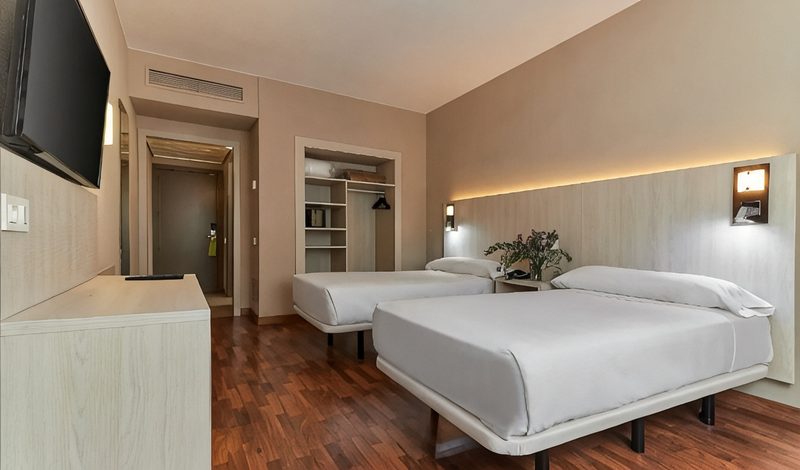
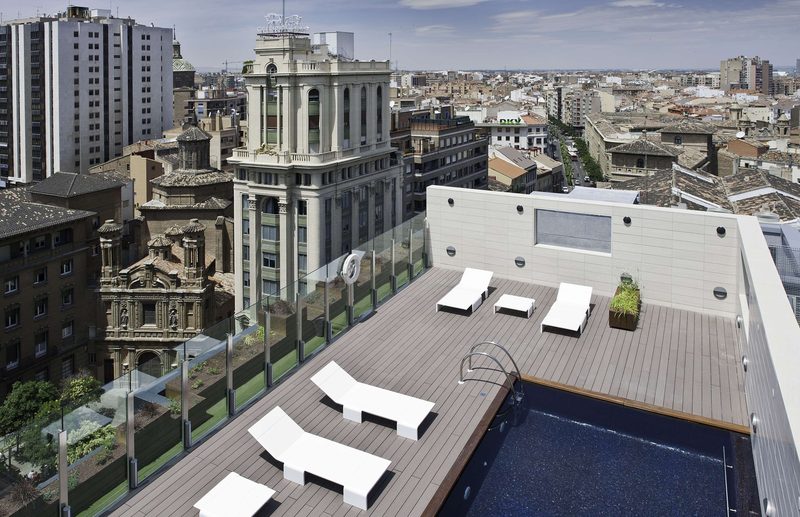
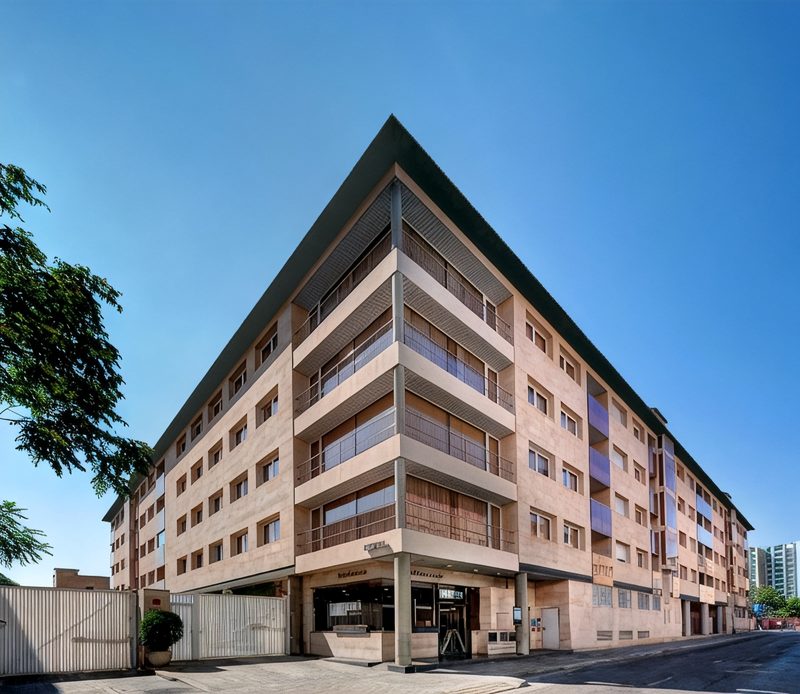
Where to Stay in Zaragoza in February
Hand-picked hotels across price tiers for February travellers.
Public Holidays in February
Dates that affect opening hours, transport and crowds
Día de Andalucía
Known in English as Day of Andalucía. A public holiday in these regions only: ES-AN.
Día de Andalucía
Known in English as Day of Andalucía. A public holiday in these regions only: ES-AN.
Packing Checklist
Bookmark this page — your progress is saved between visits
Need the full list with shopping links?
Climate-specific gear, brand recommendations, and what to leave at home.
View Zaragoza Packing List →Essential Tips
Insider knowledge and common pitfalls to avoid
Insider Knowledge
The cierzo typically dies down in the late afternoon. Schedule your Ebro riverfront walks and outdoor photography for the final two hours of daylight. The air goes still, the wind noise drops, and the sinking sun turns the Basilica del Pilar's tiled domes from grey to amber. Time it right.
Zaragoza runs on Spanish time, and it matters more than tourists expect. Lunch starts at 2 PM. Tapas bars in El Tubo only fill up around 10 PM. Arriving for dinner at 7 PM means eating alone in an empty room with reheated food and confused waiters. Match the local rhythm. The same restaurants feel like entirely different places.
For ternasco that is Aragonese rather than imported, look for restaurants displaying the IGP (Indicacion Geografica Protegida) Ternasco de Aragon seal. This means the milk-fed lamb is certified local. It is not the generic substitute that some tourist-facing places in the old quarter serve at the same markup. Check for the seal.
Casa Lac on Calle Martires, open since 1825 and widely considered one of Spain's oldest restaurants, is worth a visit for the history alone. The dining room has barely changed in a century. The Aragonese classics on the menu are served with a formality that feels like stepping into a different era of Zaragoza entirely. Go for the atmosphere.
Avoid These Mistakes
Do not underestimate the cierzo. First-time visitors see 13°C (56°F) on the forecast and pack as if for a mild spring day. They spend the morning hunched against a wind that makes it feel 6-8 degrees colder. Zaragoza in February is a wind city before it is a temperature city. The difference between the two defines your comfort.
Do not skip the Mudejar churches for the Pilar alone. The Basilica gets all the attention. La Seo cathedral next door has an equally extraordinary interior with Romanesque, Gothic, Mudejar, Renaissance, and Baroque layers visible in the same building. The brick towers at San Pablo and San Gil are the reason UNESCO designated the whole group rather than just the one famous landmark. See them all.
Do not try to eat dinner at 7 or 8 PM and conclude the restaurant was mediocre. Kitchens at serious Zaragoza restaurants do not fire properly until 9 PM at the earliest. The tapas bars in El Tubo that you want to experience only reach full atmosphere, full menu, and full staff around 10 PM on a weeknight, later on weekends. Eat late.
Ready to plan your trip to Zaragoza?
Now that you've got the research covered, here's where to go next.
Explore More Activities in Zaragoza
Didn't see anything interesting yet?
Browse Viator's full catalog of tours, day trips, food experiences, and private guides in Zaragoza.
See All Zaragoza Tours on Viator