
Things to Do in Zaragoza in January
January weather, activities, events & insider tips
Low Season · Budget Friendly
January Weather in Zaragoza
Long-run averages for January
51°F (11°C)
High Temp
37°F (2°C)
Low Temp
0.9 inches (23 mm)
Rainfall
77%
Humidity
6
Rainy Days
2
Sunny-Day UV
⚠ The cierzo wind can sustain 50 km/h (31 mph) with gusts to 80 km/h (50 mph) in January, making exposed areas along the Ebro and open plazas like Plaza del Pilar hazardous for walking and cycling. Check the AEMET wind forecast before planning riverside routes or any outdoor time in unsheltered areas.
⚠ Nighttime temperatures near 2°C (36°F) combined with wind chill can make perceived conditions approach -5°C (23°F) or lower. If you plan to be outdoors after dark for the Cabalgata de Reyes on January 5 or any evening event, dress for freezing conditions rather than the daytime high.
Is January Right for You?
Weigh the advantages and considerations before booking
Advantages
- + The cierzo, Zaragoza's notorious northwest wind, sweeps the Ebro valley clean in January. Hard blue skies follow. The Basílica del Pilar's tiled domes glow against winter light. The low sun angle through the Pilar's alabaster windowpanes casts a warm interior haze. Summer visitors never see this. They pack shoulder to shoulder. They miss the near-silence.
- + This is peak season for Aragonese comfort food. The cold drives Zaragoza into its tapas bars. Kitchens in El Tubo respond with dishes built for the weather. Migas aragonesas arrive fragrant with garlic and rendered pork fat, sizzling in iron skillets. Borrajas con patatas come in earthy bechamel. Cardo con almendras offers bitter cardoon braised slow until it melts against toasted almond. January eating in Zaragoza is the best eating in Zaragoza. Full stop.
- + Tourist numbers drop to their annual low. This transforms the major monuments. You can stand alone in the Aljafería Palace's Moorish salon. Study the geometric stucco work without being jostled. At La Seo, the Mudéjar wall of the apse, a UNESCO treasure, sits in quiet afternoon light. Nobody stands between you and eight centuries of tilework.
- + It is not a tourist production. The smell of roasting chestnuts and roscón pastry drifts from every bakery. The city takes a holiday. It belongs to the people who live here. Not to a marketing board.
Considerations
- − The cierzo is not a metaphor. Zaragoza sits in a natural wind tunnel. The Ebro valley funnels cold air between the Pyrenees and the Iberian System. In January that wind can sustain 50 km/h (31 mph). Gusts reach 80 km/h (50 mph). On a bad cierzo day, open plazas like the Plaza del Pilar become outright unpleasant. A walk along the Ebro without a windproof layer will cut your exploration short in minutes.
- − Daylight is limited. The sun sets around 5:45 PM in early January. Afternoon outdoor sightseeing needs to start by midday. Otherwise you will find yourself trying to photograph monuments after dark. The short days push most outdoor activity into the bright middle hours. The late-evening tapas stretch follows.
- − Several seasonal outdoor terraces, riverside cafes, and a few smaller museums keep reduced winter hours. Some close until March. The city functions well in January. The outdoor dining culture that defines Zaragoza in warmer months retreats indoors. The Parque Grande José Antonio Labordeta remains walkable. It lacks the green canopy and life it carries from April onward.
Best Activities in January
Top things to do during your visit
January strips Zaragoza down to its essentials. The cierzo, that sharp, dry wind funneling down the Ebro Valley, cuts through the old town's narrow streets with a bite that sends locals ducking into tapas bars earlier than usual. Daytime highs hover around 11°C. Mornings settle near freezing. The city's stone facades carry a particular chill that makes the warmth of a wood-paneled bodega feel earned. Rainfall is among the lowest of the year, barely 23 mm for the month. The skies over Zaragoza tend toward a pale, luminous clarity that sharpens the outlines of the Basílica del Pilar against the river. This is the city at its quietest. The summer coach tours are months away. You will find yourself standing alone in rooms that would be shoulder-to-shoulder by June. What Zaragoza trades in spectacle during January it returns in intimacy. The Mercado Central smells of roasted peppers, aged Manchego, and the sharp tang of cured olives laid out in terracotta bowls. Locals eat late. Lunch rarely comes before two. Dinner starts after nine. In January, the restaurants along Calle de Espoz y Mina and the El Tubo district fill with regulars rather than tourists, the hum of conversation bouncing off tiled walls. The cool air makes Zaragoza's food culture more central to the experience than in any other season. This is when the city's cochinillo and migas aragonesas feel most important. A glass of Garnacha from nearby Cariñena warms you from the inside after an afternoon spent walking the Roman route or crossing the Puente de Piedra on foot. Hotels are at their most accessible. The pace of the city invites the kind of slow, deliberate exploration that Zaragoza rewards better than almost any city in Aragón. The cold also reframes the architecture. The Aljafería Palace, that eleventh-century Moorish fortress on the western edge of the old city, takes on a severity in winter light that summer tourists never see. The geometric stucco panels cast long shadows across empty courtyards. The silence breaks only when your footsteps hit the stone. Zaragoza in January is a city that asks you to pay attention. It repays every hour you give it.

Wine Tasting and Tapas in the ancient Town of Zaragoza
foodThis guided walk through the old quarter pairs Zaragoza's layered food culture with serious local wine, threading through the narrow lanes of El Tubo where the smell of frying croquetas and simmering garlic drifts from every doorway. You taste Garnacha from Cariñena and Somontano alongside dishes chosen to match. Cured jamón sliced thin enough to see through. Roasted piquillo peppers slick with olive oil. Aged cheeses with a nutty, crystalline bite. The evening develops across several stops, each one a different bar or bodega that most visitors would walk past without a local steering them inside.
The fastest route from tourist to local in Zaragoza's food scene, led by someone who knows which counter to stand at and what to order when you get there.
Insider tip: Request a stop that includes ternasco, Aragón's prized young lamb. Many guides will accommodate on request. It tastes best in winter when restaurants slow-roast it over oak.
This month: January's cold drives the evening indoors earlier than summer, meaning the El Tubo bars fill with locals from around 8 PM. The tasting catches the transition from calm to animated.

Guided tour of the Bardenas Reales de Navarra by 4x4
adventureAn hour and a half north of Zaragoza, the Bardenas Reales opens into a landscape that looks hauled from another continent. Wind-carved sandstone pinnacles. Cracked clay flats tinted ochre and rust. A silence so total you can hear the creak of the vehicle's chassis. The 4x4 route crosses terrain that passenger cars cannot reach, threading past formations like Castildetierra, a lone column of clay and sandstone standing against a sky that in January is often a deep, cold blue. The smell of dry earth and wild rosemary rises even in winter. The low-angle light at this time of year throws the erosion patterns into dramatic relief.
One of Spain's most otherworldly landscapes, accessible as a day trip from Zaragoza but feeling like a journey to the edge of habitation.
Insider tip: Sit on the vehicle's left side for the best views of Castildetierra on approach. Bring a windproof layer. The Bardenas plateau is fully exposed and the cierzo hits harder here than in the city.
This month: January's clear, dry skies and low sun angle produce the sharpest light for photography in the Bardenas. The clay formations appear more intensely colored than under summer's bleached noon glare.

Private custom tour with a local guide Zaragoza
guided_experienceA private guide reshapes Zaragoza around your specific interests. Spend an hour inside the Aljafería Palace dissecting Mudéjar stucco geometry. Trace the buried Roman walls along Calle de San Jorge. Navigate the narrow passages of the old Jewish quarter where the plaster still holds the texture of centuries. The itinerary bends to what catches your attention. A good local guide in Zaragoza earns their fee by knowing which side doors are unlocked, which courtyards are open midweek, and which church keeps a Goya canvas that most guidebooks skip entirely.
Zaragoza's layers, Roman, Moorish, Jewish, and Baroque, overlap in ways that reward an informed companion far more than a self-guided walk with a map.
Insider tip: Ask your guide to include the interior of the Lonja de Zaragoza, the fifteenth-century exchange hall. The soaring Gothic columns and the cool echo of your voice off the vaulted ceiling are best experienced with someone who can explain the merchant culture that built it.

Zaragoza Private Walking Tour with a Local
walking_tourThis on-foot tour covers the architectural spine of the city. The Plaza del Pilar stretches wide and wind-swept along the Ebro. The Seo cathedral has mismatched towers marking centuries of revision. The Roman theatre, with its excavated tiers, sits in the open air surrounded by apartment buildings. Walking Zaragoza with a local narrator turns what could be a disorienting patchwork of periods into a coherent story: the Roman colony, the Moorish taifa, the Christian reconquest, and the Aragonese crown, each one legible in the stone and tile around you. The sound of the cierzo gusting across the Plaza del Pilar is a January signature. The feel of cold, smooth Roman marble under your hand at the forum site connects you to the city's oldest surviving layer.
The most efficient way to decode Zaragoza's compressed twenty centuries of architecture, told by someone who lives among it.
Insider tip: Wear shoes with solid grip. The marble paving around the Basílica del Pilar becomes slick with morning frost in January. Several key stops involve uneven stone surfaces.

Full-day Somontano Wine Excursion and Visit Alquezar
day_tripThis day trip heads north from Zaragoza into the foothills of the Pyrenees, where the Somontano wine region produces structured reds from Garnacha and Moristel grapes grown in rocky, limestone-rich soil. The route includes tastings at working bodegas where the cool, mineral smell of underground cellars mixes with the tannic warmth of barrel-aged wine. The afternoon shifts to Alquézar, a medieval village perched above the Río Vero gorge so steep that the houses seem to lean out over empty air. In January the village is nearly deserted. The sound of the river echoing up the canyon walls reaches you clearly from the stone bridge below. The surrounding Sierra de Guara wears a dusting of snow on its higher ridges, visible from the village's collegiate church terrace.
Combines one of Aragón's most serious wine regions with one of Spain's most dramatically sited villages, both at their most atmospheric in winter quiet.
Insider tip: Ask the driver to stop at the Río Vero overlook before entering Alquézar. The gorge view from above is more striking than anything inside the village walls. Most tours drive past it without pausing.
This month: Somontano bodegas are in their quietest production period in January, which often means more attentive tastings and access to cellar areas that are off-limits during harvest months.
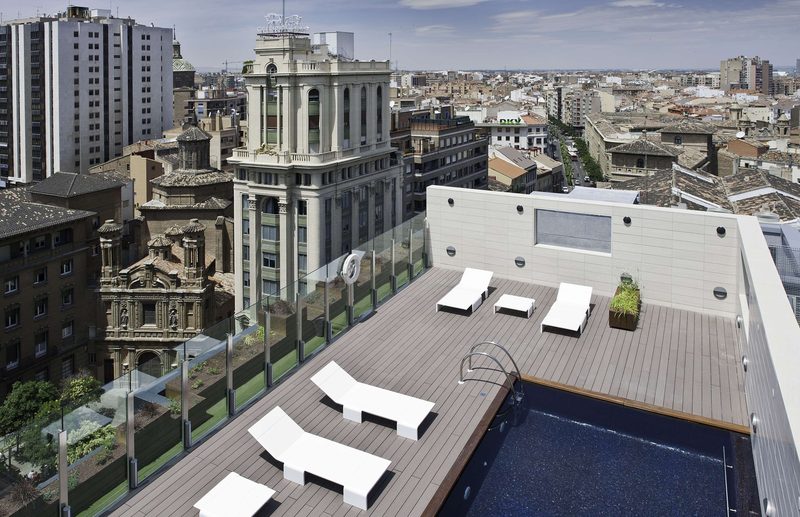
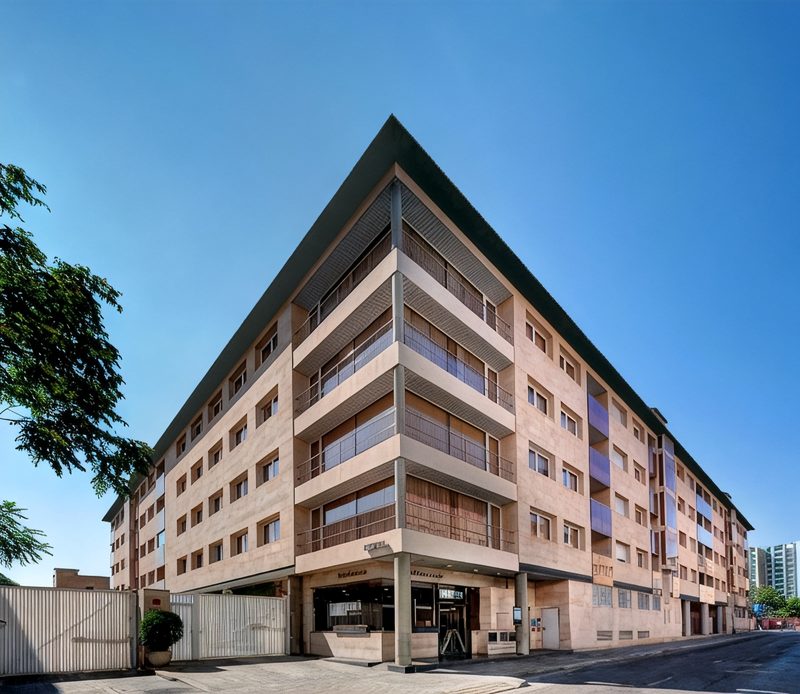
Where to Stay in Zaragoza in January
Hand-picked hotels across price tiers for January travellers.
Public Holidays in January
Dates that affect opening hours, transport and crowds
Año Nuevo
Known in English as New Year's Day. Observed nationwide as a public holiday.
Día de Reyes / Epifanía del Señor
Known in English as Epiphany. Observed nationwide as a public holiday.
Año Nuevo
Known in English as New Year's Day. Observed nationwide as a public holiday.
Día de Reyes / Epifanía del Señor
Known in English as Epiphany. Observed nationwide as a public holiday.
Packing Checklist
Bookmark this page — your progress is saved between visits
Need the full list with shopping links?
Climate-specific gear, brand recommendations, and what to leave at home.
View Zaragoza Packing List →Essential Tips
Insider knowledge and common pitfalls to avoid
Insider Knowledge
The cierzo is your friend for photography. The worst wind days produce the cleanest skies. When the cierzo is howling, the view from the Puente de Piedra toward the Pilar with snow-capped Moncayo visible 60 km (37 miles) to the west is the most dramatic urban landscape in Aragón. Locals call these cielos de cierzo. They are the reason serious photographers choose January here over any other month.
Zaragoza eats late, even by Spanish standards. Lunch starts around 2 PM. Vermut hour in El Tubo peaks at about 1:30 PM on weekends. Dinner before 9:30 PM means eating alone or with other tourists in a half-lit kitchen. Adjust your internal clock or you miss the entire social dimension of food here. The dead zone between 4 PM and 8 PM is when most tapas bars either close or run skeleton service. Plan museums and monuments for that window.
The January rebajas, the post-holiday sales that begin around January 7, turn the shopping streets along Paseo de la Independencia and Calle Alfonso I into serious bargain territory. Spanish retailers mark down aggressively in January. Zaragoza's shops are far less picked-over than those in Madrid or Barcelona. If you forgot to pack a proper windproof jacket, the first week of rebajas is the moment to buy one at a steep discount.
At dawn on still January mornings, between cierzo episodes, mist rises off the Ebro and wraps the base of the Pilar's towers while the domes catch the first orange light above it. The Puente de Piedra at 7:30 AM on a calm morning has three or four joggers and nobody else. This is the Zaragoza that postcards should show but never do. It costs nothing but an early alarm.
Avoid These Mistakes
Packing for the thermometer instead of the wind. Tourists see 11°C (51°F) and reach for a light jacket. The cierzo can drop the wind chill to well below freezing. Without a windproof layer, a walk along the Ebro or across the open Plaza del Pilar becomes an endurance test rather than a pleasure. Dress for the wind, not the number on the forecast.
Eating dinner at 7 PM. This is the most common tourist timing error in Spain, and it is wasteful in Zaragoza, where the tapas culture in El Tubo only comes alive after 9 PM. The kitchens are firing. The bars are warm and loud. Locals are ordering cañan after cañan of cold beer. If you ate two hours ago you are back in your hotel room missing the entire point of the city.
Spending all their time at the Basílica del Pilar and never crossing to the Aljafería. The Pilar is spectacular and deserves a long visit. But the Aljafería's Moorish salon is architecturally rarer: the best-preserved taifa palace in Spain, with stucco carving that approaches the Alhambra in fineness if not in scale. It sits about a fifteen-minute walk west of the old town. Most visitors who only come for a day never make it there. That is a mistake worth correcting.
Ready to plan your trip to Zaragoza?
Now that you've got the research covered, here's where to go next.
Explore More Activities in Zaragoza
Didn't see anything interesting yet?
Browse Viator's full catalog of tours, day trips, food experiences, and private guides in Zaragoza.
See All Zaragoza Tours on Viator