Things to Do in Zaragoza in July
July weather, activities, events & insider tips
Shoulder Season · Good Value
July Weather in Zaragoza
Long-run averages for July
91°F (32°C)
High Temp
65°F (18°C)
Low Temp
0.6 inches (15 mm)
Rainfall
45%
Humidity
3
Rainy Days
9
Sunny-Day UV
⚠ Heat waves, locally called olas de calor, can push temperatures well above 40°C (104°F) for several consecutive days in July, when the hot, heavy bochorno wind blows in from the southeast and replaces the cooler cierzo. These events are not rare. Check forecasts before committing to exposed outdoor activities like the Bardenas Reales, and have an indoor backup plan for any day when warnings are issued.
⚠ Dry heat and low humidity create a deceptive sense of comfort that masks rapid dehydration. Because sweat evaporates almost instantly at 45% humidity, you may not realize how much fluid you are losing until symptoms like headache and dizziness set in. Drink water proactively and consistently, when consuming alcohol on evening tapas tours.
Is July Right for You?
Weigh the advantages and considerations before booking
Advantages
- + July brings Zaragoza its driest weather. Three days of measurable rain. Skies stay cloudless blue from sunrise past 9:30 PM. Plan outdoor walks through Casco Viejo. Evening strolls across Puente de Piedra work. Day trips to Bardenas Reales pose no weather risk. Most European summer destinations cannot match this freedom.
- + Extended daylight reshapes the entire city. Terraza culture becomes the main event. Locals sit down for dinner at 10 PM. Golden hour stretches past nine along the Ebro riverfront. Basilica del Pilar's domes catch the last light then. Stone embankments release stored heat. That single hour is worth the trip.
- + Zaragoza sits off mass-tourism routes. Barcelona and Madrid get the crowds. July visitors at Aljaferia Palace remain sparse. La Seo stays manageable. Museo del Foro lacks bottlenecks. Share Mudejar courtyards with few others. San Sebastian demands impossible reservations. Here they are merely advisable.
- + Aragonese produce peaks in July. Calanda peaches arrive at Mercado Central stalls. Their fragrance fills two aisles. Glossy piquillo peppers come too. Fat white asparagus joins them. Pair with cold garnacha rosado from Campo de Borja. Cariñena denominations pour on every El Tubo terraza. Cities twice its fame cannot match these evenings.
Considerations
- − The heat is real. It is unforgiving. Zaragoza sits in the Ebro valley. No coastal breeze reaches here. Continental climate traps warmth like a kiln. July afternoons average 32°C (91°F). Exposed plazas feel punishing. Heat waves push past 40°C (104°F). Consecutive days make the city uncomfortable. This is not background warmth.
- − Siesta is mandatory. It is not charming. The city goes quiet from 2 PM to 5:30 PM. Nobody sane stays outside. Fighting this rhythm exhausts you. Empty restaurants serve before kitchens warm up. Evening hours bring the real Zaragoza. Adapt. Or suffer.
- − Late July starts vacation migration. Smaller neighborhood restaurants in Las Delicias close. Family-run shops in San Jose shut for summer. Authentic dining thins outside the tourist core. Casco Viejo stays reliably open. El Tubo does too. Residential neighborhoods may show darkened storefronts.
Best Activities in July
Top things to do during your visit
Zaragoza in July settles into dry, emphatic heat. Daytime temperatures climb toward 32°C and rarely dip below 18°C at night, while rainfall averages a scant 15 millimetres for the entire month. You can leave the umbrella at home. Plan around sunshine with near-total confidence. The Ebro, sluggish and olive-green beneath the Puente de Piedra, throws back the glare of a sky that stays pale and cloudless from dawn until well past nine in the evening. By mid-morning the sandstone facades along Calle Alfonso I radiate stored warmth. The shade beneath the arcades of Plaza del Pilar becomes civic infrastructure, not decoration. The city's rhythm shifts unmistakably. Zaragoza's restaurants push their terrace service later. Lunch rarely starts before two. Dinner reservations before ten feel premature. The evening paseo, that slow, purposeful circuit through the Casco Viejo, doesn't gather momentum until the streetlamps flick on and the flagstones finally release the day's heat. Locals crowd the outdoor tables at Plaza Santa Marta and the narrow lanes off Calle Temple, where the smell of grilled gambas and cold vermouth drifts from open doorways. Zaragoza is a safe, walkable city at any hour. July nights are when its social life develops. Families with small children are still out at midnight. The Mudéjar towers glow amber against a navy sky. If you are wondering whether Zaragoza is worth visiting or how many days to spend here, July makes a compelling case. Two full days let you cover the monumental core and eat seriously well. A third opens the door to day trips into the Aragonese countryside, wine country to the north, desert badlands to the northwest, without the overcrowding that plagues Barcelona or Seville in high summer. The food scene alone justifies the stop. Tapas culture here is not a tourist performance. It is the city's native mode of eating, and the prices remain far more accessible than in Spain's coastal capitals. Hotels in the centre cluster around El Tubo and the basilica district. Even in peak season availability holds steady because Zaragoza has not yet absorbed the mass-tourism pressure of its neighbours.

Wine Tasting and Tapas in the ancient Town of Zaragoza
foodThe evening begins in the Casco Viejo's narrow stone corridors, where a local sommelier walks you through Aragonese wines that rarely leave the region. You'll taste Garnacha from old-vine Cariñena plots, structured Monastrell blends, and the occasional orange-tinged macabeo that tastes of dried apricot and chalk. Between pours you eat. Hand-sliced jamón with a slick of fat that dissolves on the tongue. Croquetas with a crackle of golden crust giving way to béchamel laced with Ibérico. Local cheeses paired to each glass. The route threads through taverns that predate living memory, where the walls are dark wood and the zinc bar tops carry decades of wine-ring patina.
A curated walk through Zaragoza's wine-and-tapas culture led by someone who knows the bartenders by name and the vintages by vineyard row.
Insider tip: Ask your guide to include a stop at one of the vermuterías tucked behind Plaza San Felipe. These small bars serve house-made vermouth on tap from unmarked barrels. Most tourists walk past without noticing the hand-lettered signs.
This month: July evenings stay warm and light until nearly 10 PM. The outdoor seating at each stop is available. The walk between bars happens in golden late-day sun rather than darkness.

Guided tour of the Bardenas Reales de Navarra by 4x4
adventureAn hour and a half northwest of Zaragoza, the landscape ruptures into something closer to Utah than Aragón. The Bardenas Reales is a semi-desert biosphere reserve carved by wind and sparse rain into tabletop mesas, clay chimneys, and striated gullies banded in ochre, cream, and rust. From the back seat of a 4x4 you cross terrain that no rental car should attempt. Loose gravel tracks skirt the base of the Castildetierra pinnacle, an eroded clay-and-sandstone tower that stands alone against empty sky like a landlocked sea stack. Ridgelines where the only sound is hot wind scraping across esparto grass. The driver-guide knows which seasonal tracks are passable and where to stop for the wide-angle views that flatten perspective until the badlands look painted.
One of the most alien landscapes in western Europe, inaccessible without a guide who knows the unmarked tracks, and completely unlike anything else within day-trip range of Zaragoza.
Insider tip: Bring a bandana or buff for your face. The 4x4 kicks up fine clay dust on the unpaved sections, and in July's dry conditions the particles hang in the air for minutes after passing.
This month: July is the driest month in the Bardenas, which means all seasonal tracks are open and firm. But temperatures in the exposed desert can exceed the Zaragoza average. Carry at least two litres of water per person and wear sun protection with no compromise.

Private custom tour with a local guide Zaragoza
guided_experienceThis is a private walk shaped entirely around what you want to see, led by a Zaragoza resident who builds the route in conversation with you before you set out. The format matters. Rather than following a fixed script past the basilica and the Aljafería, your guide adjusts on the fly. Ducking into a courtyard in the Magdalena quarter where a Mudéjar ceiling survives above a ground-floor café. Crossing the Ebro to the Delicias neighbourhood where the market stalls sell salt cod and dried peppers by weight. The pace is yours. You stop when something catches your eye, and the guide fills the gaps between monuments with the texture of how the city functions. Which bakeries open at dawn. Where the old Jewish quarter's street plan still governs the block grid. Why the Tubo district earned its name.
The most efficient way to learn Zaragoza if your time is short, because a local calibrates the route to your interests rather than a checklist.
Insider tip: If you have a specific interest, Roman ruins, Mudéjar architecture, the Civil War, mention it when booking so the guide can prepare routes that include interiors and sites not covered on standard walks.

Zaragoza Private Walking Tour with a Local
walking_tourA structured private walk that covers the monumental spine of the city on foot. The Basílica del Pilar with its frescoed domes and the small Goya ceiling that most visitors miss. The Romanesque exterior of La Seo where three faiths built on the same ground in sequence. The Aljafería Palace whose taifa-era arches are among the finest surviving examples of eleventh-century Islamic geometry in Spain. Your guide stitches these landmarks into a single narrative, Zaragoza as a city perpetually rebuilt on its own foundations, and fills the walking intervals with details about the streets themselves. The Roman forum walls visible through a glass panel in the pavement. The Modernista shopfronts along Calle Méndez Núñez. The smell of roasting coffee drifting from the corner torrefacto bar that has occupied the same doorway for three generations.
A single walk that connects Zaragoza's Roman, Islamic, and Catholic layers into one coherent story, with a guide who adjusts the depth to your curiosity.
Insider tip: Request the route that includes the interior of La Seo's tapestry museum. It houses one of the largest collections of Flemish tapestries in existence, and most walking tours skip it because the entrance is easy to overlook from the plaza.
This month: In July, the marble floors inside the Basílica del Pilar and the Aljafería Palace offer genuine relief from the outdoor heat. Plan to linger inside rather than rushing through.

Midday Market Tour and Spanish Cooking Class
foodThe morning starts at the Mercado Central, where vendors stack glossy pimientos de padrón beside trays of percebes and whole turbot laid on ice. The air carries the mineral tang of fresh shellfish mixed with dried saffron from the spice stalls. Your guide helps you choose ingredients. You will cook with them within the hour. Explaining which peppers carry heat and which are sweet. How to judge a tomato by its weight and give rather than its colour. Why Aragonese olive oil tastes greener and more peppery than its Andalusian counterpart. Then you walk to a kitchen space in the old town, tie on an apron, and learn to execute Spanish dishes that rely on technique more than complexity. A tortilla española with a barely-set centre. A gazpacho pounded rather than blended for ragged texture. A main that rotates with what looked best at the market that morning. You eat what you cook, seated, with wine.
The rare cooking class that starts with the sourcing. You understand the ingredients before you touch a knife, and the market visit alone is worth the morning.
Insider tip: Go hungry. The class produces a full meal's worth of food plus the market tastings, and you will eat better here than at most sit-down restaurants in the city.

Full-day Somontano Wine Excursion and Visit Alquezar
day_tripNorth of Zaragoza the Ebro plain buckles upward into the Somontano foothills, where limestone ridges shelter vineyards planted in red clay soil at elevations that cool summer nights by several degrees. The drive itself earns the day. The terrain shifts from flat wheat stubble to gorge-cut river valleys within an hour. You visit working bodegas where Garnacha and Moristel grapes, the latter almost exclusive to this denomination, ferment in temperature-controlled tanks carved into hillside rock, and you taste wines that combine the concentration of hot-climate fruit with an acidity that keeps them precise. The excursion also folds in Alquézar, a village clamped to a cliff above the Río Vero canyon. Its streets are barely a shoulder-width wide. The sandstone walls radiate warmth. From the collegiate church terrace you look straight down into a gorge where griffon vultures circle on thermals rising off the canyon floor. The sound is wind and birdsong and nothing else.
Two destinations in one day. Serious wine tasting in a denomination most visitors have never heard of, and one of the most dramatically sited villages in the Spanish Pyrenean foothills.
Insider tip: Wear shoes you can walk cobblestones in. Alquézar's streets are uneven stone, steep in places, and slick if you arrive after a rare summer shower. Bring a hat for the vineyard portions where shade is nonexistent.
This month: July's minimal rainfall means the Río Vero gorge at Alquézar runs low and clear, exposing turquoise rock pools visible from the village overlook. A sight largely absent during wetter months when higher water muddies the visibility.
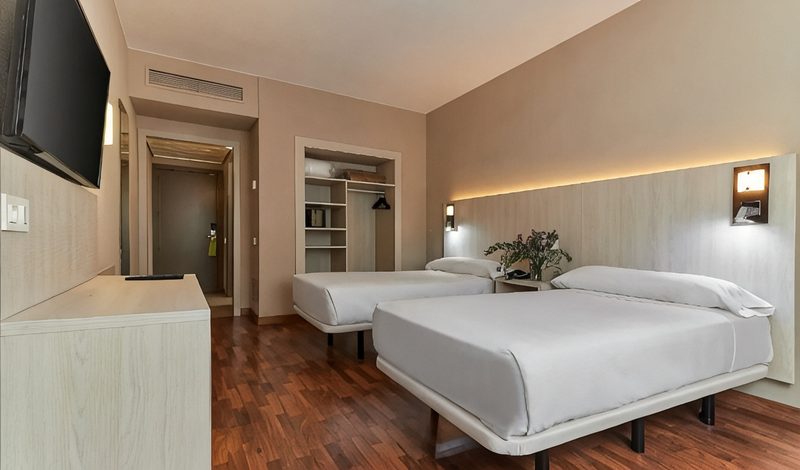
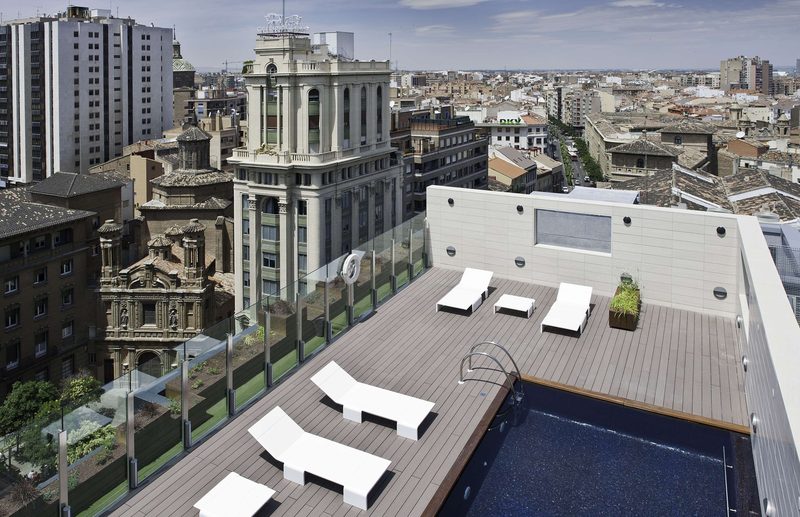
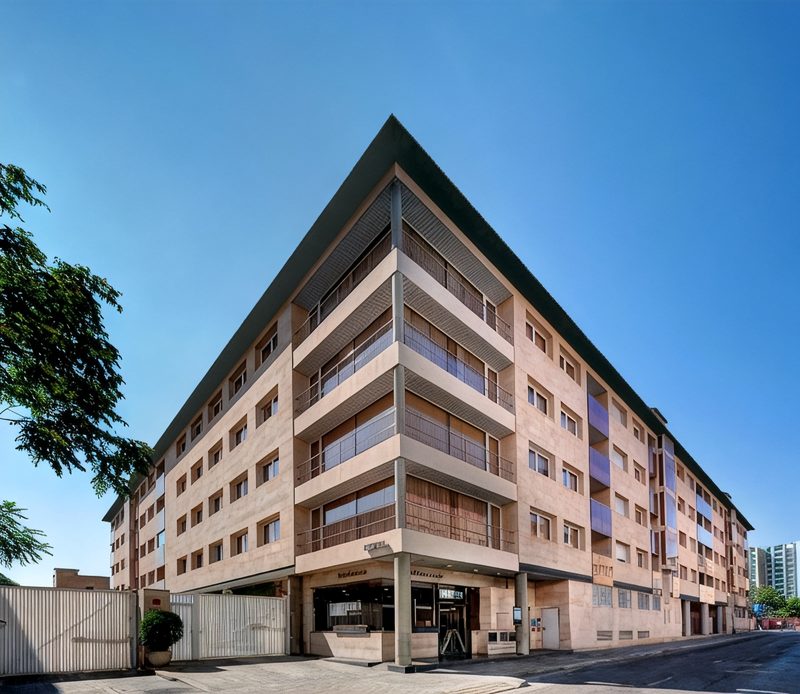
Where to Stay in Zaragoza in July
Hand-picked hotels across price tiers for July travellers.
Public Holidays in July
Dates that affect opening hours, transport and crowds
Santiago Apóstol
A public holiday in these regions only: ES-GA, ES-PV.
Día de las Instituciones de Cantabria
Known in English as Day of the Cantabrian Institutions. A public holiday in these regions only: ES-CB.
Día de las Instituciones de Cantabria
Known in English as Day of the Cantabrian Institutions. A public holiday in these regions only: ES-CB.
Packing Checklist
Bookmark this page — your progress is saved between visits
Need the full list with shopping links?
Climate-specific gear, brand recommendations, and what to leave at home.
View Zaragoza Packing List →Essential Tips
Insider knowledge and common pitfalls to avoid
Insider Knowledge
The cierzo, Zaragoza's signature northwest wind that funnels down the Ebro valley, can blow even in July. When it does, it drops the felt temperature noticeably while Madrid and Seville melt under still air. Locals call a cierzo day in summer a gift. If you wake up and feel that dry, steady wind, rearrange your plans. That is your day to tackle the longer outdoor walks and open-air sites you would otherwise skip.
Eat on Zaragoza time or miss the best of it entirely. The terraza kitchens in El Tubo hit their real stride after 9:30 PM. Showing up at 7 PM means eating before the cooks are properly warmed up, sitting in leftover afternoon heat, and watching an empty quarter that will be packed two hours later. The sweet spot for dinner in July runs from about 10 PM to midnight. The atmosphere at that hour, warm stone, cold wine, the sound of conversation spilling from every doorway, is a completely different experience from an early sitting.
The Ebro riverfront south of the old Expo 2008 grounds transforms after sunset into what amounts to a free outdoor lounge. Families, couples, joggers, and groups of friends spread along the paved paths with cold drinks from riverside kiosks while the illuminated dome of the Pilar reflects off the water. This is where Zaragozanos spend their July evenings, not in the tourist core. It is likely the most pleasant outdoor space in the city once the sun drops.
For day trips, the Monasterio de Piedra, about 120 km (75 miles) southwest, is a former Cistercian monastery built around a canyon of waterfalls where the air temperature drops sharply and the mist off the cascades feels like air conditioning. Reachable in under two hours by car, it is a genuine escape from the valley heat. It is dramatically less crowded than anything in the city itself.
Avoid These Mistakes
Scheduling the Aljaferia Palace, the Basilica del Pilar rooftop, or any significant outdoor walking between 1 PM and 5 PM. The Ebro valley heat in July is not the kind you push through with willpower and a water bottle. It is the kind that sends unprepared visitors to a pharmacy for rehydration salts. Plan your sightseeing in two blocks, morning and evening. Surrender the middle of the day to a long lunch and a cool, dark room.
Treating Zaragoza as a half-day stopover between Madrid and Barcelona and skipping the overnight. The high-speed AVE makes the connection tempting. But the city needs at least two full days to do justice to the Casco Viejo, El Tubo, the Aljaferia, and the riverfront. More, the evening terraza culture, which is arguably the best thing about July here, only reveals itself if you are still around after dark.
Underestimating dehydration because the 45% humidity feels comfortable compared to coastal heat. The dry air evaporates your sweat so efficiently that you never feel drenched, which tricks you into thinking you are fine. You are not. Drink water consistently and proactively, if you are consuming garnacha on a tapas crawl, because the headache that announces you waited too long arrives fast and ruins an evening.
Ready to plan your trip to Zaragoza?
Now that you've got the research covered, here's where to go next.
Explore More Activities in Zaragoza
Didn't see anything interesting yet?
Browse Viator's full catalog of tours, day trips, food experiences, and private guides in Zaragoza.
See All Zaragoza Tours on Viator